
How design‑for‑manufacturing optimised JLR’s platforms

Jaguar Land Rover’s recent collaboration with ArcelorMittal offers a clear example of how an effective design‑for‑manufacturing (DfM) approach can optimise a vehicle platform – from systems and subsystems down to material selection and process choices
Speaking to AMS, JLR’s David Weir (Chief Engineer, Body Exteriors) and ArcelorMittal’s Philippe Aubron (Head of Global Automotive) described how early, open co‑engineering, disciplined data sharing, pragmatic prioritisation on near‑industrialised programmes and the twin pressures of electrification and digital tools are reshaping how platforms are specified, engineered and industrialised. The discussion focussed on technical and operational details around developing and optimising JLR’s EMA, MLA and next‑generation platforms to show how DfM is being applied in practice.
What makes the program unique is that we work at the system level, not part of the part
Early, system‑level collaboration: Moving beyond part‑by‑part handoffs
One of the clearest shifts JLR described is the move from a classical “design then hand to supplier” model to a system‑level dialogue between OEM and material/structure partner. Aubron noted: “What makes the program unique is that we work at the system level, not part of the part.” That shift allows engineers to analyse the entire structural architecture – body‑in‑white, subframes and battery frame together – and spot consolidation or simplification opportunities that aren’t always visible when parts are reviewed in isolation.
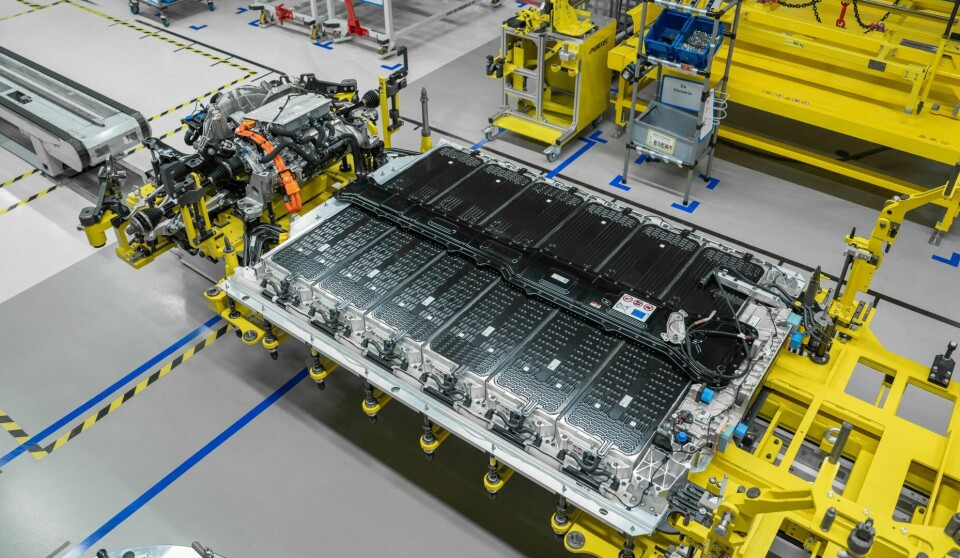

For JLR this system approach extends to the battery structure. Weir emphasised the changing role of the battery frame: “The battery frame has a huge part to play here and totally changes the logical system of how an automotive vehicle fulfils its requirements.” He explained that if subframes, body structure and battery frame are engineered in isolation, redundancies and weight penalties stack up. System‑level co‑engineering prevents that by allowing trade‑offs across subsystems, not just within them.
Aubron emphasised that timing is critical; bringing suppliers in early while the vehicle architecture is still “flexible,” and allowing optimisations to be implemented before designs are frozen. When that early window is used effectively, both sides can make “decisions to be made based on engineering evidence rather than assumptions,” as he put it.
Trust and structured data sharing: The mechanics that enable DfM
DfM depends on more than intent; it needs robust, practical data exchange and a willingness to be transparent about constraints and targets. JLR recognised that openness is essential: as Weir observed, “If you want someone to mark your homework you need to show them your homework.” In practice that meant sharing engineering models, load cases and target breakdowns with ArcelorMittal – with clear confidentiality rules – so the supplier’s structural expertise could be brought to bear on realistic constraints.

But data sharing is not trivial. Both organisations acknowledged “real challenges” in the mechanics of exchanging work‑in‑progress models, CAE outputs and process data. JLR described a multi‑layer approach to data disclosure where some load cases are handled at full‑system level (for example front crash interactions that involve the whole body‑in‑white) while other items – such as bumper armatures – are treated as subsystems and shared at a different level of granularity. That enables engineers in ArcelorMittal’s teams to “understand how we’ve set our targets and how they can optimise within those targets.”
Structured handoffs also made supplier recommendations actionable. Where ArcelorMittal proposed material or forming changes – often presented as simulation‑backed trade‑offs between cost, weight and safety – JLR could evaluate proposals against explicit targets and implement the lower‑risk items quickly. Aubron summed up the value: early, transparent exchange allows the parties to make “fact‑based considerations on cost, performance and weight.”

Pragmatic prioritisation when working within industrialised constraints
A central theme noted by both parties was pragmatism. Many of the platforms under review were already “largely tooled and industrialised,” which constrains the scale of change possible. Weir was candid about that reality; because the platform is near production, the team could not implement every good idea. Instead, they ‘triaged’ recommendations from ArcelorMittal into categories – low‑change, minimal‑tooling options they could adopt quickly, versus those requiring major tooling or facility changes that might be deferred.
“You categorise them as to which ones would be kind of low change and minimal impact and minimal tooling cost and almost no brainer,” Weir explained, “and then there was other ones which required more tooling change, more facility change, which were a bit more of a difficult decision.” That decision framework allowed JLR to extract tangible gains on the EMA platform within the program timeline. Weir noted EMA is “kind of 100%” through that review process, with recommended changes signed into program content where business cases supported them.
At the same time the partnership used those learnings to influence next‑generation programmes where a “clean sheet” allows fuller implementation. Weir described an upcoming project for a new underbody where the team expects to apply the DfM lessons earlier. “We’ve got the opportunity to start with a clean sheet of paper and do an even better job of it next time around.”
This pragmatic dual track – optimise what you can in flight; feed structural and material learnings forward into clean‑sheet architectures – is a good example of a mature DfM strategy working inside real industrial constraints.

Electrification and digital tools: Drivers that accelerate DfM decisions
Electrification is the business driver that brought many of these changes into sharp relief. Both interviewees agreed that EVs and multi‑powertrain platforms change load paths, mass distribution and crash behaviours in ways that force system‑level thinking. Aubron warned of the pitfalls of late collaboration on multi‑powertrain projects. If OEMs attempt to combine multiple powertrains without early optimisation, “you don’t get an optimised structure, you get one that is suboptimal and heavy.” Weir added a practical observation: “Some of the heaviest cars we see are actually PHEVs,” underlining that the challenge is not limited to BEVs.
We’ve made a real concerted effort to actually engage with the supply base and understand… if you engage with the supply base and you’re open and transparent… the advantages are really tangible.
Digital tools and AI are the enablers that make faster iteration realistic. JLR described a government‑funded research effort to make virtual iteration more AI‑led and more autonomous. Weir said the goal is to “make the virtual series more AI led and more autonomous” so that iterations between CAD, CAE and manufacturing constraints happen faster. From ArcelorMittal’s perspective, Aubron said they are preparing AI‑led toolsets and simulation resources that are “easy for us to consume and interact with so we can go even faster.”

Faster iteration reduces the development loop and shortens time‑to‑market – a critical factor even for premium OEMs like JLR. Weir emphasised speed as mission critical: AI systems that reveal “where are the little steps you can take… and involve a supplier earlier in the iteration sequence” shorten the path to production readiness.
Digital enablement impacts materials and processes as well. The interview referenced bespoke alloys, extrusions and supplier‑developed forming routes becoming a strategic part of platform development – seen most clearly in presentations from Chinese OEMs where suppliers and OEMs co‑develop alloys and even production lines. ArcelorMittal is moving in the same direction: Aubron highlighted investment in low‑carbon steelmaking and new electrical furnace capacity at ArcelorMittal’s Dunkerque facility, to align material capability with the sustainability and performance demands of modern platforms.
What this means for platform engineering
Taken together, the above themes present a clear blueprint
for DfM in a modern OEM–material partner context:
• Bring material and structure specialists into
platform conversations at system scale and early in the programme to reveal
consolidation opportunities and avoid late, costly rework.
• Create disciplined data‑sharing
practices that allow suppliers to propose simulation‑backed,
manufacturable alternatives while protecting confidentiality.
• In near‑industrialised programmes,
prioritise low‑impact, high‑value changes and feed learning
forward into clean‑sheet architectures where more radical revisions are
possible.
• Use digital and AI tools not as an add‑on,
but as a core enabler of faster iteration and supplier integration — and align
material investments (including low‑carbon production routes) with
platform objectives.
The JLR–ArcelorMittal case is not an academic exercise, it is an operating model already producing signed‑in recommendations on EMA, ongoing reviews for MLA and a pathway into the JEA platform. The partnership shows that when an OEM is willing to “lean on the expertise” of its supply base, and both parties invest in the data and tools to make collaboration efficient, the payoff is materially significant – lower complexity, improved structural efficiency and, crucially, platform choices that deliver against cost, weight, safety and sustainability considerations.
As Aubron put it, the approach they and JLR have used “represents the future of the automotive development.” Weir’s summary – that the work is about pragmatic openness and a willingness to change how teams interact – captures the cultural shift that must accompany any technical programme: “We’ve made a real concerted effort to actually engage with the supply base and understand… if you engage with the supply base and you’re open and transparent… the advantages are really tangible.”